Introduction to Violins and Violas
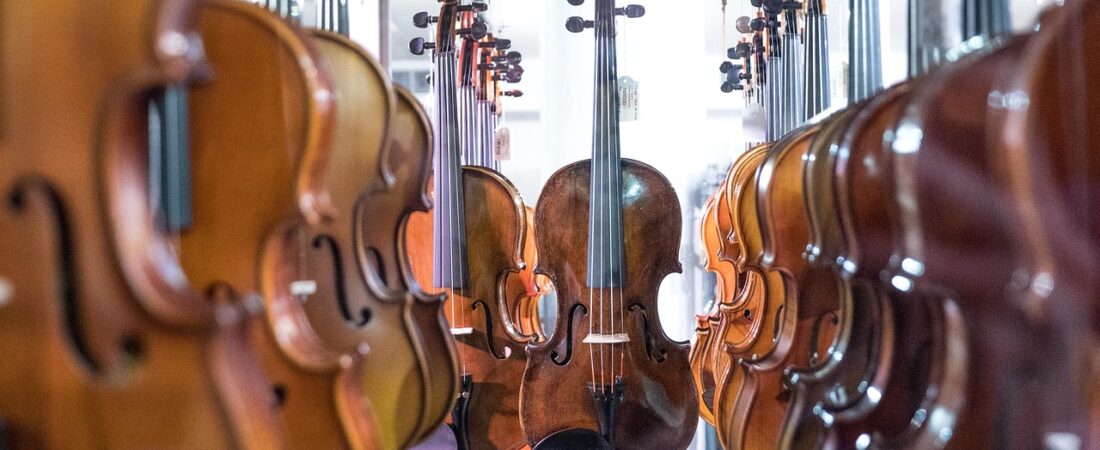
Violins and violas are indispensable members of the string instrument family, each offering unique characteristics that contribute to the rich tapestry of orchestral sound. While both instruments share similarities, their differences in size, range, and tone color make them suited for varied musical roles.
Key Differences Between Violins and Violas
The violin, smaller in size and tuned a fifth higher than the viola, has a brighter sound that serves as a leading voice in many compositions. In contrast, the viola, which is slightly larger and tuned a fifth lower, possesses a deeper, mellower tone that adds warmth and harmony to the ensemble. Understanding these nuances is critical whether you are a budding musician or a seasoned player.
Choosing the Right String Instruments and Accessories
When considering the purchase of a violin or viola, it’s vital to evaluate not only the instrument itself but also the accessories that enhance your playing experience. Key accessories include bows, cases, and shoulder rests, each playing a significant role in the overall setup. For new learners, selecting quality strings and rosin can greatly enhance playability. With a mindful selection of your primary instrument and its accompanying accessories, you can elevate your musical journey.
As you delve deeper into the world of string instruments, remember that exploring features, reading reviews, and comparing options can profoundly impact your decision. Whether you are inclined toward the agile sound of the violin or the rich depth of the viola, the right choices will set the groundwork for your musical aspirations.